Year-End Tax Moves, Asset-Based Loan Strategies & Why Starting a Rehab Before December 31 Matters
As the year winds down, November becomes one of the most strategic months for real estate investors. Taxes, cash flow planning, financing decisions, and project timing all collide in Q4 — and how you act now can dramatically impact both your 2025 tax liability and your investment momentum going into 2026.
This guide breaks down what every investor should be doing before December 31, how asset-based loans factor into tax strategy, and why launching a project before the ball drops may be one of the smartest moves you make this year.
Real Estate Investors Essential Tax Moves Before December 31
November is the last month where you have enough time to make decisions that actually matter for your tax outcome. Waiting until January is too late — once the calendar flips, your opportunities shrink.
1. Accelerate Deductible Expenses Before Year-End
Most real estate investors file using cash-basis accounting – a method that recognizes revenues and expenses at the time rash is received or paid out, regardless of when income was earned or the expense incurred. That means you can reduce taxable income simply by pre-paying expenses before December 31.
Common year-end pre-payments:
- Insurance premiums for your rentals or flips
- Property taxes
- Software or CRM systems, and other subscriptions
- Marketing, staging, or listing services
- Legal, consulting, and accounting fees
- Repairs and maintenance
2. Take Advantage of Cost Segregation & Accelerated Depreciation
If you acquired rental property this year, a cost segregation study can break your property into faster-depreciating components like:
- Flooring
- Appliances
- Electrical systems/ HVAC components
- Cabinets and fixtures
- Exterior Improvements
Even with bonus depreciation phasing out, cost seg still gives:
- Large upfront deductions
- Lower taxable income
- Stronger cash flow heading into 2026
For BRRRR investors, this strategy is especially powerful.
3. Maximize Interest & Financing Deductions
Interest from most investment-related loans is tax deductible. This includes:
Depending on your project type:
- Flip interest is typically added to project cost basis.
- Rental interest is usually deducted annually.
- Construction interest may be capitalized into the property basis.
The key is clean, organized statements — something Black Swan Lending provides with transparent draw logs, straightforward interest summaries, and no hidden junk fees.
4. Fix Your Books Now — Not in January
Common investor bookkeeping issues:
- Missing receipts
- Misclassifying capital improvements vs. repairs
- Forgetting mileage
- Lump-summing materials instead of itemizing
- Missing interest allocation on construction draws
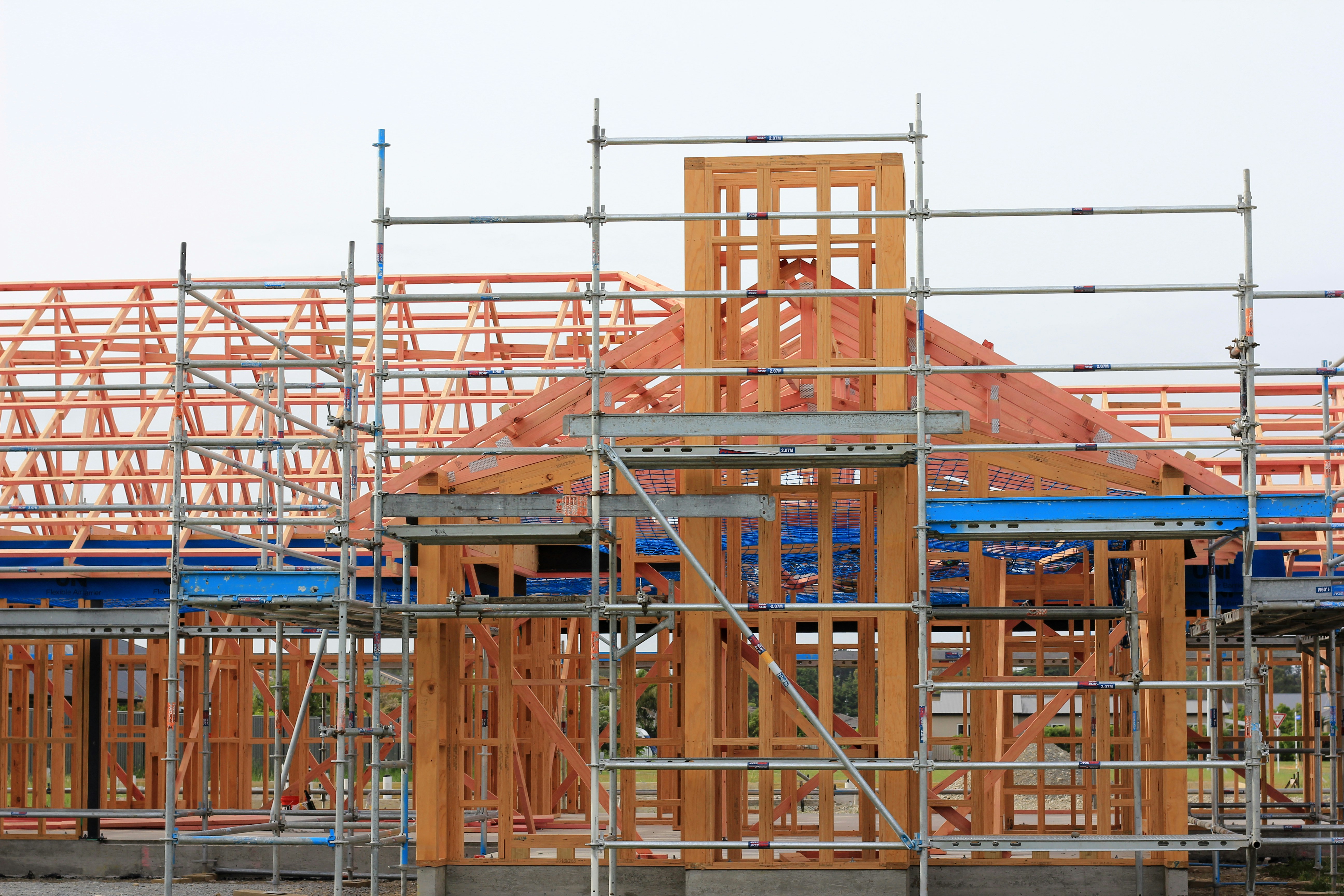
5. Start a Rehab or Acquisition Before December 31
Even if it feels “late in the year,” starting a project before year-end creates several tax advantages:
- You can claim interest deductions for 2025
- Material purchases may be deductible or capitalized this year
- You may be able to start depreciation sooner
- Bonus depreciation may apply to certain improvements
- Your project timeline accelerates for a faster Q1 2026 refi or sale
Sometimes even beginning demo or initial repairs qualifies as “work started” for tax purposes.
How Asset-Based Loans Shape Your Tax Strategy Going Into 2026
Asset-based loans aren’t just a source of capital — they’re a tax-influencing tool. The way they’re structured affects everything from your deductions to your depreciation schedule.
Here’s how smart investors leverage their financing.
1. Loan Interest Is Usually Tax Deductible
For investors, interest on asset-based loans can often be deducted, including:
- Monthly interest
- Accrued interest
- Construction interest
- Carrying costs
2. Origination Points & Fees Impact Your Taxes
Depending on your project:
- Flip investors often deduct points in the year they’re paid.
- Rental/DSCR borrowers may amortize points over the loan term.
Other fees — underwriting, inspections, appraisals — may also be deductible depending on use. This is where clean documentation matters most.
3. Construction Loans Affect Your Property’s Tax Basis
Construction interest and carrying costs may need to be:
- Capitalized into basis (for rentals/investments), or
- Expensed (for flips and resale properties)
The structure of your loan affects depreciation timelines, cost allocation, and your eventual capital gains calculation.
4. Cash-Out Refinances Are Not Taxable Income
This is one of the most misunderstood opportunities in real estate. A cash-out refinance does not create taxable income.
However, You can:
- Pull equity
- Improve liquidity
- Increase interest deductions
- Reinvest without a tax hit
This is why smart Q4 2025 positioning is crucial for a strong Q1–Q2 2026 refinance cycle. interest-only periods, prepayment penalties, or recourse vs non-recourse terms read the fine print.
Why Starting a Rehab Before Year-End Is Such a Smart Tax Strategy
Whether you’re flipping, building, or renovating rentals, starting your project before December 31 unlocks tax benefits most investors overlook.
1. You Get Credit for 2025 Expenses
Buying materials, paying contractors, ordering appliances, or even doing demo before year-end may allow you to recognize these expenses on your 2025 books.
2. Interest Deductions Begin Immediately
Even if you close on a loan in late December, you may be able to deduct interest for the portion of the year the loan is active. For large project loans, that deduction can be meaningful.
3. Earlier Depreciation = Long-Term Savings
If you put a rental into service before year-end — or start improvements — depreciation may begin in 2025 instead of 2026.
That creates:
- Lowers your 2025 tax liability
- Stronger long-term cash flow
- Faster ROI
4. Bonus Depreciation Still Applies
Even though it’s stepped down, bonus depreciation still allows accelerated deductions on:
- Appliances
- Flooring
- Carpets
- Certain improvements
…can still qualify for bonus depreciation if purchased/installed before December 31, 2025.
5. It Sets You Up for a Stronger Q1
Starting now means:
- Earlier 2026 refi options
- Faster time-to-market for flips
- More rental income earlier in 2026
- Earlier depreciation
- Earlier interest deductions
- More aggressive 2026 growth strategy
Q1 becomes a growth quarter, not a reset.
Final Thoughts
If you’re planning to make a move before December 31 — acquisition, rehab kickoff, refinance, or portfolio expansion — we can help you structure it for maximum tax advantage.
If you want:
- A quick-close loan before December 31
- Guidance on structuring your financing for tax efficiency
- Help preparing for a strong Q1 pipeline
Black Swan Lending is here to support your next move.